Across the expanse of historic epochs,
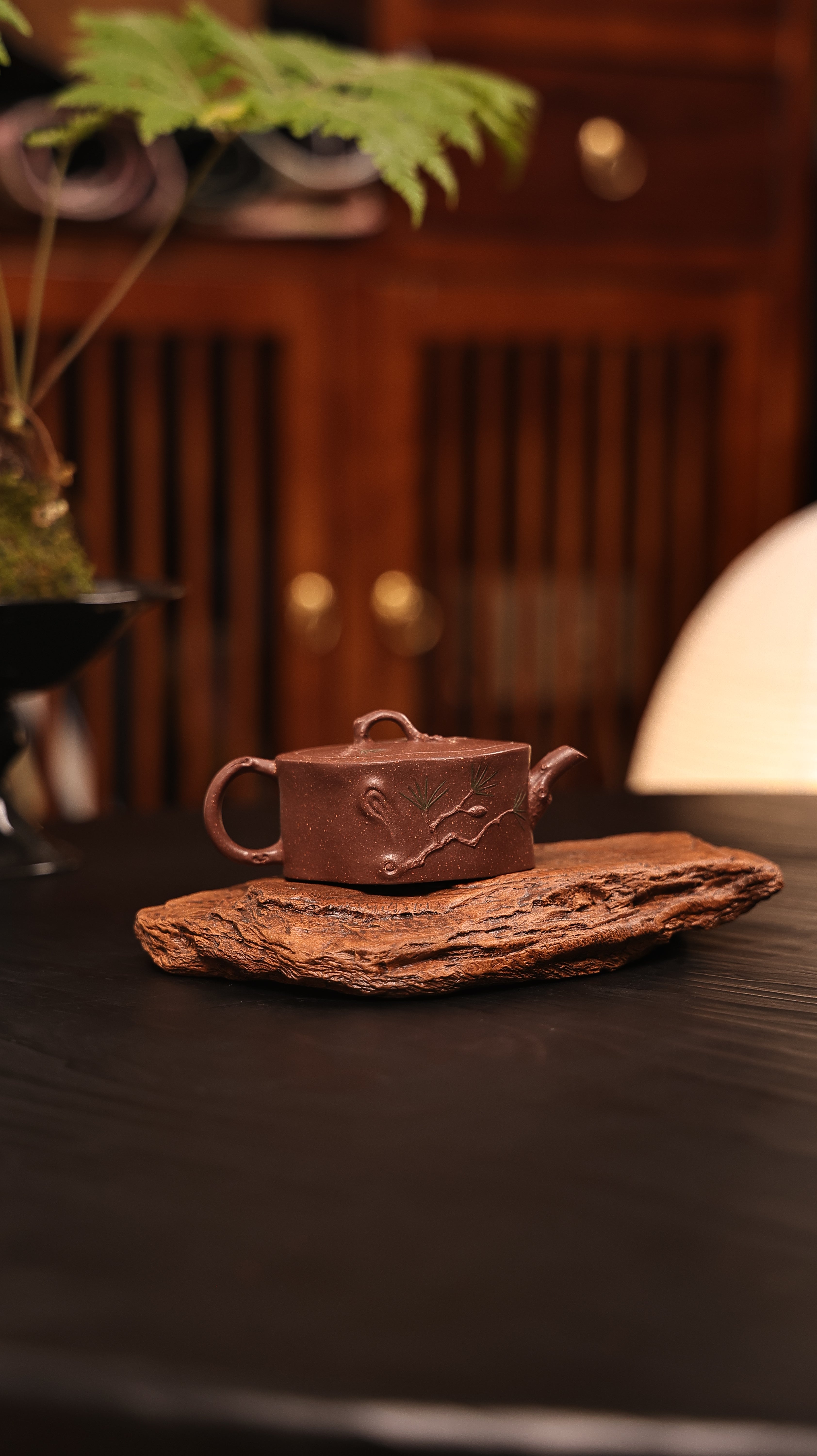
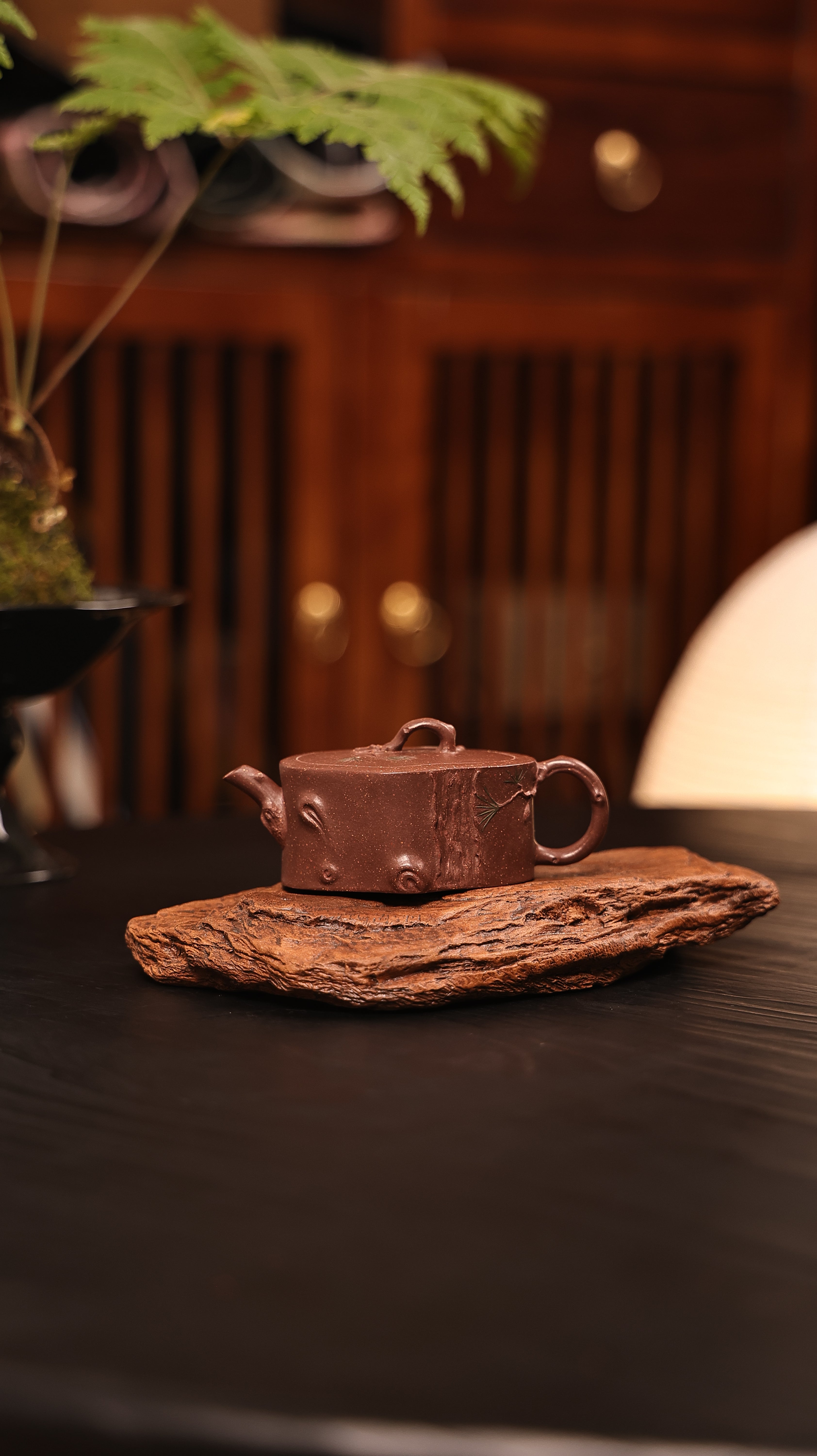
Following epochs, enthusiasts have been fascinated by the uncommon charm of Yixing Zisha kettles. Originating from the area of Yixing in Jiangsu, these wares are renowned for their notable beauty, exclusive clay, and built-in ability to enhance the taste of the infusion. The substrate's distinctive burgundy hue, combined with the adept production of environmental potters, creates artifacts that are as functional creations and prized valuables. Purchasing a Zisha teapot is more than just one purchase; it's accepting a rich heritage heritage.
Unraveling Yixing Teapots: Chronicles, Kinds, and Merit
The notable Yixing teapots serve as a extensive record deeply intertwined with Chinese culture. Deriving in the Yixing region of Jiangsu province, these clay vessels contain a heritage tracing back to the Ming Dynasty. Primary examples were functional, but amidst centuries, Yixing teapot manufacturing evolved into an esteemed art form. The clay itself, known for its unique character and ability to influence the flavor of the tea, remains a defining factor. Yixing teapots come in various versions, broadly categorized by shape: Typical such as Zhuni (purple clay) and Bisheng, as well as refined designs. The merit of a Yixing teapot varies on several factors, including the potter’s name, the age of the piece, the rarity of the clay, and its aesthetic quality.- History: Historic epoch
- Composition: Different forms
- Assessment Factors: Scarcity
Zisha Craftsmanship: Methods and Makers
The assembly of a legitimate Zisha teapot is a demanding process, requiring decades of expertise. Experienced artisans meticulously select the purest Zisha clay, a exceptional earth found only in specific regions of China. Conventional techniques, often inherited through families, involve rigorous shaping, gentle carving, and slow firing in ancient calcining chambers. The ultimate teapot isn't merely a container; it's a testament to inventive vision and the meaningful connection between the sculptor and their ancestry. Each item showcases the specific touch of the potter, resulting in a truly rare work of expression.
Chinese Earthenware: Discovering the Broad Customs of the Yixing Territory
Renowned Yixing, set in Jiangsu the district, is commonly renowned for its exceptional ceramics – a tangible representation of centuries of Chinese creative legacy. These aren't merely vessels for making tea; they are intricate works of craft, often reflecting spiritual ideals. A unique purple clay, known Chinese Teapot as Zisha, possesses distinctive qualities: the clay dense, breathable, and imparts a subtle essence to the tea.
- Many lineages have honed the techniques of Yixing container making, passing down traditional methods through eras.
- Followers prize these pieces for their elegance and oddity.
- Each container tells a account, connecting the drinker to a rich heritage.
Acquiring Yixing Zisha: Guiding Points
Considering exploring obtaining Yixing Zisha earthenware, countless factors expect careful assessment. To begin with, the soil's pigment is paramount; authentic Zisha typically exhibits a characteristic rust-colored depth. Also, evaluate the craftsmanship; precise markings and a sleek coating signify adept construction. Concluding, research the maker’s record; noted names obtain superior rates and often grant a promising profit.
Mastering Tea Brewing Using a Zisha Pot
Making exquisite tea with a Zisha pot is more greater than a simple ritual; it's an craft. Zisha clay, celebrated for its unique mineral composition, imparts a subtle character to the made tea that’s often wanting with other implements. The suitable water intensity is necessary; typically, softer than what's used for black tea, to retain the tea's scent and taste. Consider carefully the tea form; delicate green teas or aged pu-erhs improve from the Zisha’s ability to calm their innate edge. It’s necessary to rinse the teapot before brewing, and to exclude over-steeping. Mastering this craft leads to a sincerely exceptional tea occasion.
- Understanding Zisha Clay
- Thermal Measure & Type of Brew
- Necessity of Preheating
Safeguarding Your This Teapot
In an effort to maintain the lifespan of your treasured Yixing earthenware, careful maintenance is fundamentally crucial. Never using detergent; instead, tenderly immerse it with moderately heated aqueous substance. Prevent unexpected fluctuations; don't position the clay pot directly onto a thermally active platform. Periodically, develop the pot by brewing it with superior dark drink, as this contributes to boost its personality and guards the inimitable essentials of the earth.
From Earth to Cup: The Progression of a Classic Container
A creation of a Zisha teapot is a intriguing approach, a demonstration to both the environment’s bounty and the artistry of the fabricator. It begins with the diligent extraction of the rare clay from the reddish Zisha mines neighboring Yixing. This raw material, known for its remarkable essences, is then gradually filtered and organized for the primary forming. The jug's shape is adeptly built using a combination of time-honored sculpting practices, often incorporating complex ornaments. Following hardening, the teapot undergoes a vital first firing, joined by a polishing stage, which might involve multiple layers of organic Zisha layers. Finally, a second, and sometimes third, firing at robust temperatures renders the piece, revealing its ultimate beauty and remarkable characteristics - a legitimate masterpiece, arranged to compliment a tea ceremony.
{Yixing Teapots: A Embodiment of the Custom and Tribute
Legendary Yixing teapots, originating from the noted Yixing region of Jiangsu province, are far more than mere vessels for brewing the beverage; they represent a significant aspect of Chinese artistry. Created from distinctive purple clay – zisha – these extraordinary teapots are highly cherished for their ability to enrich the flavor of the tea and, crucially, for their grace. The background of Yixing teapot making spans centuries, and the technique involved is entrusted through generations, making each teapot a decorative item that embodies lasting techniques and a profound appreciation for the pure pleasures in life.