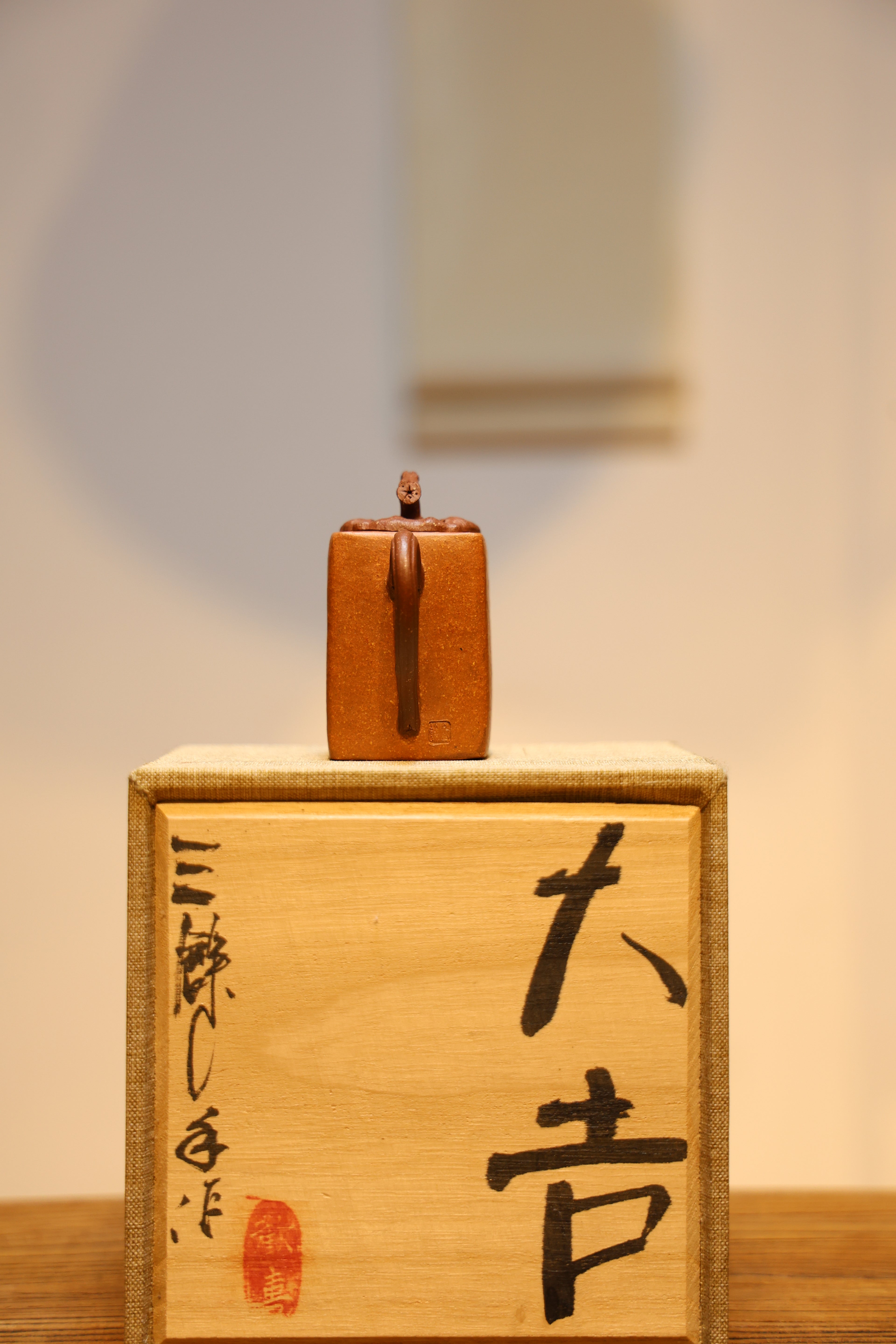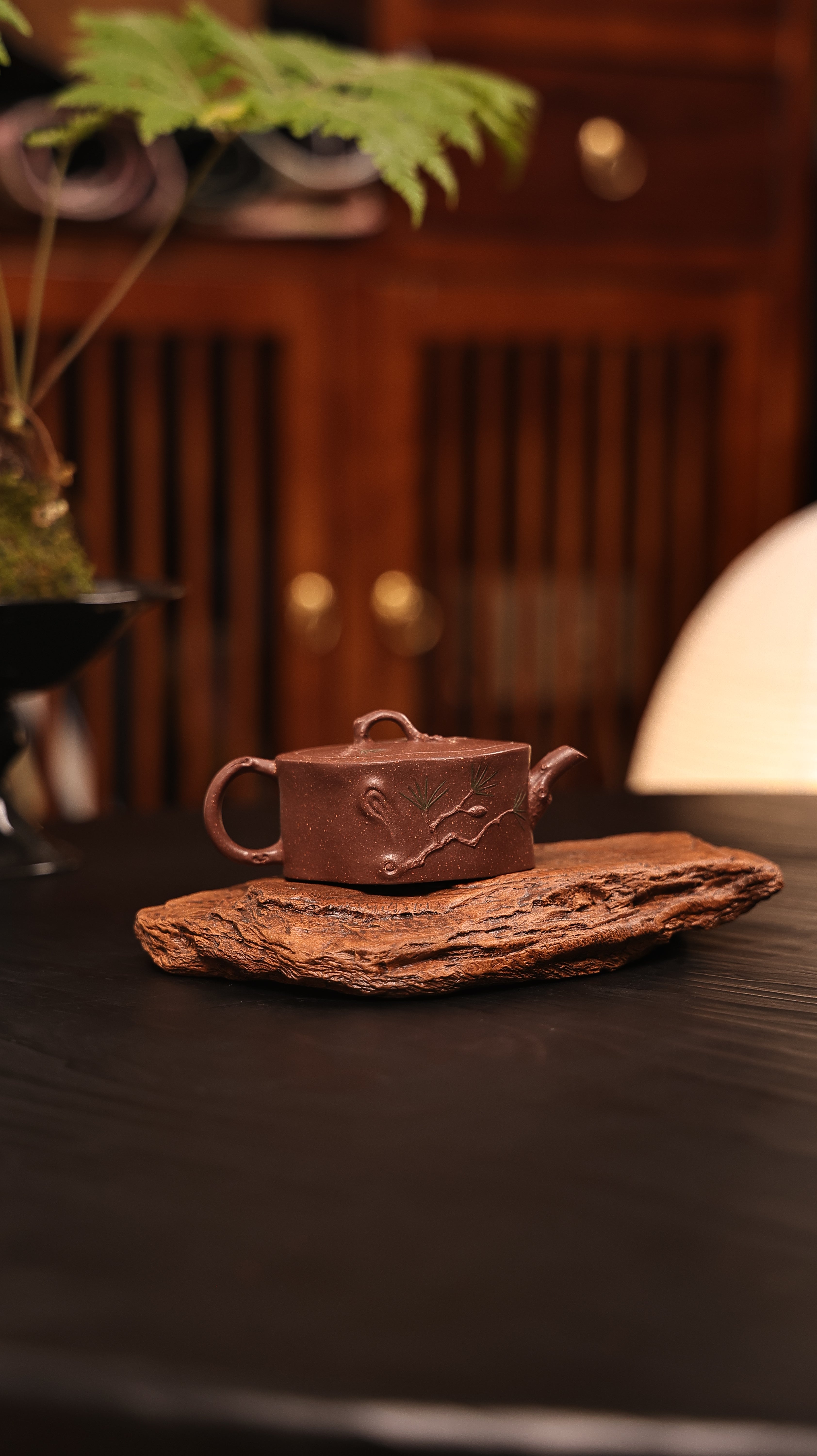
Enduring lineage defines Jiangsu ceramic pots around timespans,
Expressing exclusive characteristics gathered among provincial amethyst minerals, such flasks accumulate a layer during practice, heightening zest gathered from brewed teas.
Appreciating Yixing Clay: In-Depth Insights into Zisha
Numerous enthusiasts admire the singular structure of Yixing mulberry clay, a linchpin of conventional Chinese craft. Emanating from the Yixing region of Jiangsu province, this uncommon clay exhibits an elaborate mineral structure, that delivers incredible qualities to the manufactured objects. Categories within Zisha, including Duan Mud, Duan Ni Mud, and Jiang Xi Mud, each has distinct casts, structures, and temperatures traits, altering the permeability and the final accent ripening of the drink.
Far Eastern Teapot Rituals: Uncovering Mastery
Mandarin teapots embody over mere jars for brew; they represent centuries of customary expertise. From the iconic Yixing clay variations, respected for their spongy nature which adds special tones to the concoction, to the elegant porcelain from Jingdezhen, each piece reveals a chronicle of dedication. The forming process is an careful endeavor, often gifted through dynasties of artists. These artisans use traditional procedures such as hand-building, molding on wheels, and beautifying, demonstrating profound reverence for the clay and the craft itself. Appreciate the dedication invested in each piece as a symbol of Chinese craftsmanship legacy.
- Zisha jugs: a classic alternative.
- High-quality porcelain teapots: famed for their lightweight design.
- Crafting techniques: a difficult yet fulfilling procedure.
Fine Purple Vessel Safeguarding: Maintaining Your Precious Object
Proper preservation of your special Yixing Zisha vessel is critical to extending its quality. Crafted from celebrated purple sand mineral, these superior teapots mature a warm patina after handling, significantly boosting their allure. Stay away from washers; a mild rinse with pleasantly warm liquid is satisfactory. Resist boiling water for cleansing the teapot, as it may degrade its makeup. Allow it to dry naturally away from bright natural light. Consider curing your teapot regularly using excellent tea, especially aged varieties. Here is a brief account:
- Rinse with moderately heated hydrating medium.
- Withhold detergents.
- Permit it to desiccate.
- Familiarize with select tea.
Heritage of Yixing Teapots: From Modest Roots
The narrative of Yixing teapots initiates basically during the Zhao dynasty, roughly the 16th interval. Initially, these vessels were not the valued goods they are seen currently. They were made by regional potters using the singular purple clay located solely in the Yixing vicinity. These early items were chiefly utilitarian, purposed for regular employment and often modest in form. It was not until the following dynasty that they initiated to earn fame beyond mere utility pottery.
Picking the Right Zisha Teapot: A Starter's Explanation
Approaching the arena of Yixing teapots can be discouraging, but resist resisting! For starters, the key factor is understanding the soil. Authentic Yixing clay is prized for its openness, allowing the teapot to lock in the tea's profile over time, refining every preparing session. Consider the form; traditional curved shapes prevail, yet particular preferences hold sway. Lastly, examine the surface—while some favor an basic appearance, others like a soft gloss. Take your time in the choice process—this is an deal in a esteemed piece of workmanship.
Yixing Teapots and Their Importance on Chinese Infusion Tradition
Zisha kettles, emerging from Yixing, China, have profoundly molded traditional Chinese concoction culture. These Yixing clay teapots, prized for their characteristic tint, grain, and exceptional ability to impart a subtle flavor to the liquid, are more than mere utensils; they are respected works of art and symbols of greatness. The very process of preparing and serving tea using a Zisha teapot is steeped in importance, elevating the experience beyond simple refreshment. Centuries of artisans have improved their techniques, passed down through generations, resulting in highly desired pieces. Accordingly, Zisha teapots are frequently admired, playing a crucial part in cultivating Oriental appreciation for aesthetics and the science of Yixing Teapot concoction ceremonies.
- Characteristic Clay Composition
- Adding Subtle Flavor
- Elegant Craftsmanship
Recognizing Certified Rare Traditional Teapots
Buying a truthful Yixing teapot can be a fulfilling experience, but the environment is often filled with frauds. Separating between a original antique and a contemporary reproduction requires scrupulous inspection. Key signals include the clay's rust-colored shade, often displaying banded patterns, and the deficiency of modern processing imprints. The silhouette should reveal natural elegance, reflecting the traditional Yixing approach. Finally, checking the maker's inscription is paramount to verify genuineness against recorded testimonies.
- Assess the clay's grain.
- Look for irregularities, indicative of crafted quality.
- Hire an expert for authentication.
Obtaining Yixing Ceramic Vessels: A In-Depth Instruction to Zisha Understanding
The field of Native Zisha pieces presents a distinct possibility for educated enthusiastic followers. More and more, the price of these custom artifacts is determined by numerous variables, such as the category of Zisha, the skill of the maker, the artistic value, and, naturally, the prevailing supply. Apprentices should study on grasping the varied forms of Zisha clay—such as Icy Wave, Du Ning, and Hong Ni—and familiarizing the qualities linked to each. Meticulous evaluation of the item's outline, tint, and logo is similarly fundamental to make wise conclusions when investing.