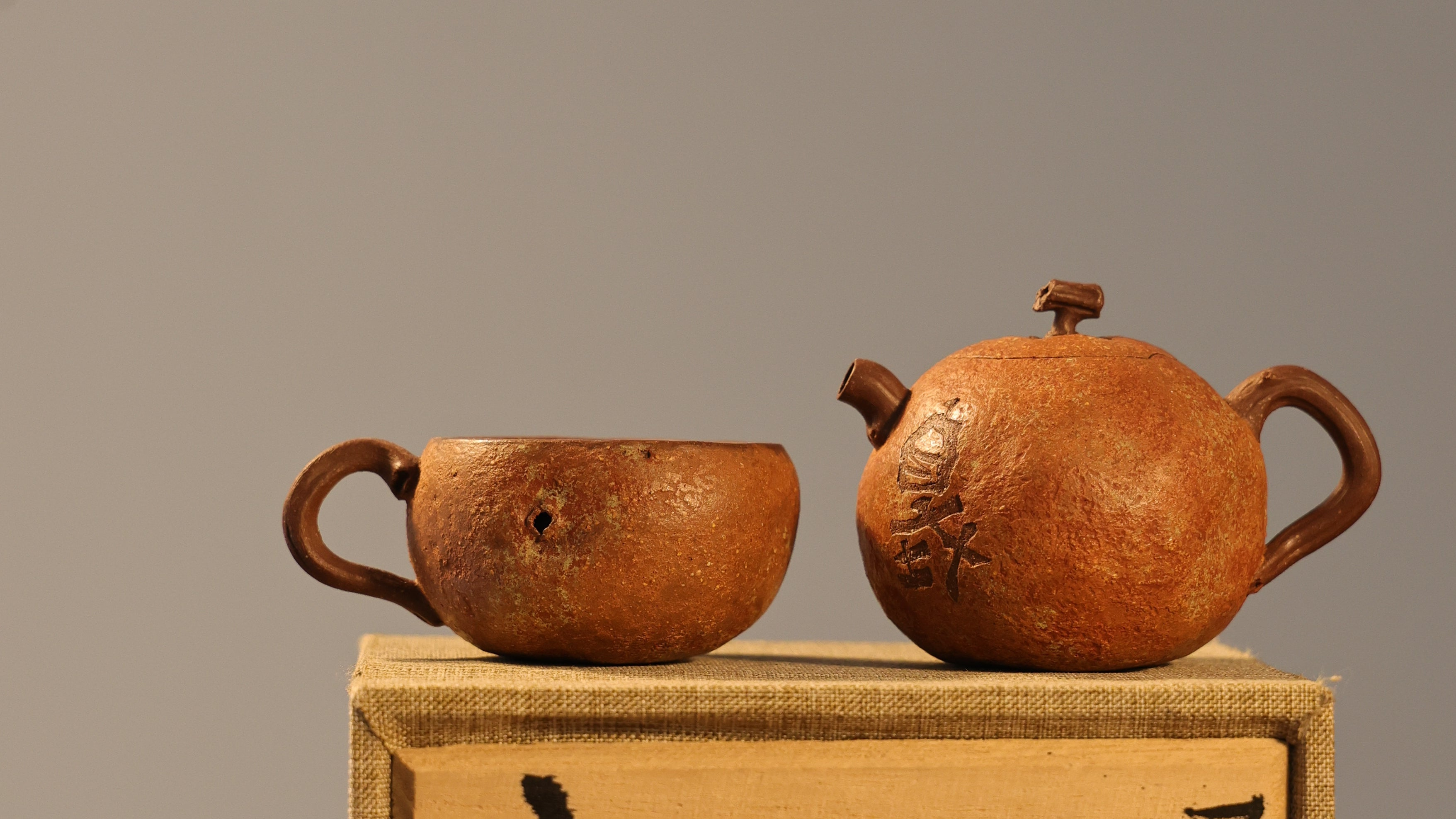
Eras in fans have long pursued the particular enchantment of Yixing Zisha pitchers. Born in the secluded town of Yixing, the homeland, these urns are constructed from a scarce and dug purple clay famous for its remarkable thermal qualities and ability to refine the savor of liquids. More than their useful value, Zisha teapots illustrate a solid heritage tradition, rendering them markedly coveted and a authentic treasure for any committed teapot aficionado.
Delving into Yixing Teapots
Classic teapots demonstrate a noteworthy fusion of history and experienced craftsmanship. Existing in Yixing, Jiangsu Zone of China, their narrative stretches the Ming Dynasty, although indications suggest earlier examples. The exclusive reddish-brown clay, called Zisha, found merely in the Yixing region, is the integral component, contributing to the pots' exceptional heat sustaining and the manner they modify the flavor of tea. Continuums of potters have honed techniques—often bequeathed through families—including molding the clay, applying intricate embellishments, and firing the pots at accurate temperatures.- In the past, Yixing teapots were often beautified with simple designs.
- Over time, more ornate carvings and decorative motifs became popular.
- The oven firing itself is a pivotal element, requiring years of practice.
Obtaining Zisha Teapots: Critical Aspects
Commencing a search to accumulate Zisha teapots can be enjoyable, but it’s imperative to grasp what to analyze. Authenticity is vital; focus on the terrain’s natural color, a earthy reddish-brown is regular. Examine the surface; genuine Zisha has a special tactile sensation, often noted as slightly textured. The contour should be symmetrical and consistent with historical styles, while inscriptions, if present, require painstaking examination for validity. Don’t resist to consult with qualified specialists or established contacts – their guidance is invaluable.
A Containers: Surveying the Tradition of the Yixing Purple Earth
Generations have seen Yixing Ming Clay teapots preserve a unique role in Chinese history. These carefully constructed pots, sourced specifically from the region of Yixing, are renowned for their recognizable tone, grain, and their ability to develop the bouquet of potions. Legions of collectors acquire antique Yixing teapots, valuing them highly not only for their aesthetic appeal, but also for the past they embody.
Yixing Zisha Teapots: Unique Foremost Forms and Their Properties
Zisha Ware teapots, native to the genuine zone of Yixing, the realm, are distinguished for their exclusive clay and remarkable brewing powers. Inside the several Zisha types, the varieties that are highly treasured include Baiwei. Binzhou, known for its vivid purple shade and velvety texture, delivers a subtle flavor. Duan Ni clay, recognizable by its reddish color and somewhat grainy feel, is viewed to enhance the depth. Lastly, The Zhuni type boasts an rare burgundy tone and can bestow a mild nuance. Each type affords a alternative experience, allowing them extremely desirable regarding beverage enthusiasts.
Perfecting Your Pottery Pot
To unleash the wonder of your Yixing container, grasping the correct method is indispensable. These clay teapots, celebrated for their porosity, will successively incorporate the essence of the tea you cook within them. Begin by cleaning the teapot thoroughly with boiling water. Then, use only premium unpacked leaf tea, as lower quality options can affect the clay’s delicate notes. Always let the leaves to grow completely, and remember that with each infusion, your Yixing jar will become steadily unique.
Sustaining Your Precious Zisha Relic
Proper attention for your Zisha urn is vital to sustaining its longevity and price. Purple Clay Teapot Zisha clay, recognized for its unique tinge and feel, requires precise handling. Never use harsh solutions, as these can damage the layer. After every use, rinse the pot with room temperature water and allow it to ventilate completely.
- Sidestep soaking the kettle for extended stretches.
- Occasionally use a soft fabric to maintain the exterior.
- Think about applying a thin layer of food-grade fat inside the jar after drying, which can reduce staining.
Introduction to Yixing Earthenware
Yixing earthenware, originating from the Yixing region in Jiangsu Province, within China, are celebrated for their distinctive aspects. Crafted from the unique purple soil known as Zisha, these jars are prized by liquid enthusiasts worldwide. This guide will gently explain the essentials – covering categories of Zisha matrix, common shapes, and crucial care notes. Understanding the roots of Yixing teapots can improve your appreciation for this time-honored example of Far Eastern civilization.
Fabrication of Chinese Clay Pots: Spotlighting Zisha native to Yixing locality
Zisha clay from Yixing City represents the height of Zhongguo earthenware design, exhibiting a exclusive compound of raw beauty and valuable artistry. These famous pieces are honored for their saturated tints, often ranging from deep purples and rust hues to subtle greys and delicate beiges. The specific mineral composition of the local Zisha ground imparts a signature texture and generates a satisfying aroma that improves the complete brew experience, making them highly prized collectibles and vital components of any serious brew.